

Bitcoin's promised 'Uptober' turned into a liquidation party, while hardware wallets, seized coins, and state-level crypto chess moves made for one of the messier news days in a while.
Bitcoin Whipsaws Between $81K and $84K as Alts Get Wrecked
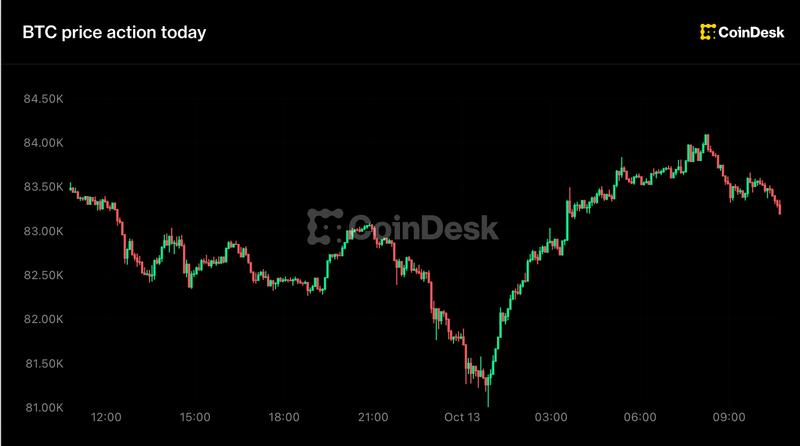
Bitcoin spent the day bouncing violently between $81,000 and $84,000 while altcoins took the brunt of the damage, dragged down partly by a tech-stock rout in South Korea that rattled risk assets globally. It's the kind of price action that makes 'Uptober' look like wishful thinking rather than a seasonal pattern.
Nobody actually knows if this is the start of something bigger or just a volatile Tuesday, and that's precisely the point — price swings like this are a reminder that crypto markets remain tightly wound to global macro mood swings, for better or worse.
Read more at CoinDesk →
UK Court Tilts Toward Keeping $5 Billion in Seized Bitcoin
A UK High Court judge ruled that Chinese law, not British law, governs claims over the roughly 61,000 bitcoin seized from a massive fraud scheme, leaving ultimate ownership still undecided but weakening the position of victims trying to reclaim their funds. The ruling effectively strengthens the UK government's hand in potentially keeping one of the largest crypto seizures in history.
There's something almost poetic about a stash this large getting tangled in cross-border legal technicalities — it's a vivid illustration of how bitcoin's borderless nature runs smack into very border-bound legal systems.
Read more at The Block →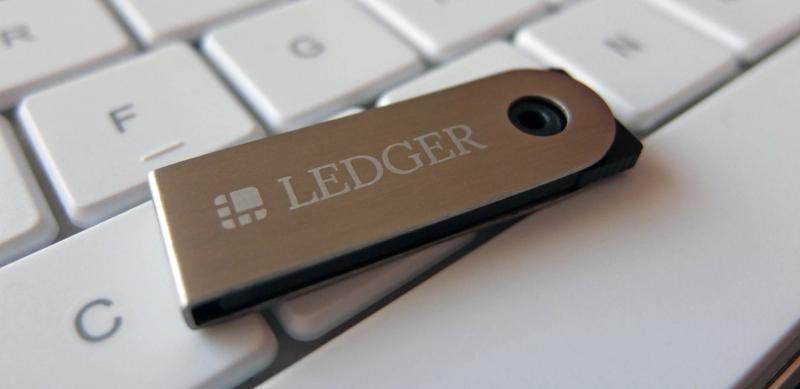
Ledger Says a 'Spy Chip' Was Phoning Home Over a Mobile Network
Ledger revealed that devices sold through a reseller called CryptoBilis contained an implanted chip capable of transmitting wallet recovery data over a cellular network, a chilling escalation from ordinary supply-chain tampering to something resembling an actual spy gadget. Ledger says its own direct sales and manufacturing are unaffected, but the damage to third-party retail trust is already done.
Hardware wallets exist specifically so you don't have to trust software — a cellular implant quietly leaking seed phrases is about as direct a betrayal of that premise as you can get, and a good reminder to think hard about where your hardware wallet actually came from.
Read more at CoinDesk →
Binance Pulls the Plug on Mining Pool and Cloud Mining
Binance announced it will shut down its mining pool, cloud mining, and Pool Savings services on November 10, closing out a business line that once helped retail users dabble in mining without owning rigs. Users are being urged to withdraw or migrate ahead of the deadline.
It's a quiet but telling move — as mining has consolidated into industrial-scale operations with thin margins, the retail-friendly cloud mining dream has been losing relevance for years, and this feels like an exchange simply acknowledging that reality.
Read more at The Block →
France's Wallet-Reporting Proposal Sparks 'Leave' Backlash
A French legislative proposal would require crypto holders to report wallet balances exceeding €100,000, a move that's drawing sharp backlash given a recent wave of violent 'wrench attacks' targeting crypto holders in the country. Critics argue mandatory disclosure of significant holdings could make targets easier to identify, not harder.
There's a real tension here between legitimate tax enforcement goals and the physical safety risks that come with publicly (or even bureaucratically) flagging who's sitting on meaningful crypto wealth — this is a policy debate where the usual privacy-vs-oversight framing gets a genuinely dangerous real-world edge.
Read more at Decrypt →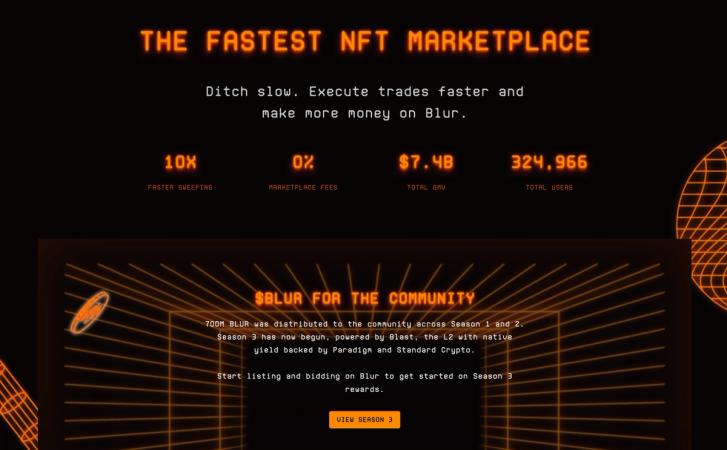
Once the Biggest NFT Marketplace, Blur Is Shutting Its Website Down
Blur, which once dethroned OpenSea as the top Ethereum NFT marketplace, is shutting down its frontend and halting new Blend loans next month after trading volumes collapsed roughly 99% from their peak. The protocol itself will stay onchain, but the consumer-facing side of the business is done.
This is less a crypto story and more an NFT-era eulogy — the frenzy that made Blur dominant was always going to be hard to sustain once the speculative mania cooled, and the chart showing a 99% volume collapse says everything the headline doesn't need to.
Read more at CoinDesk →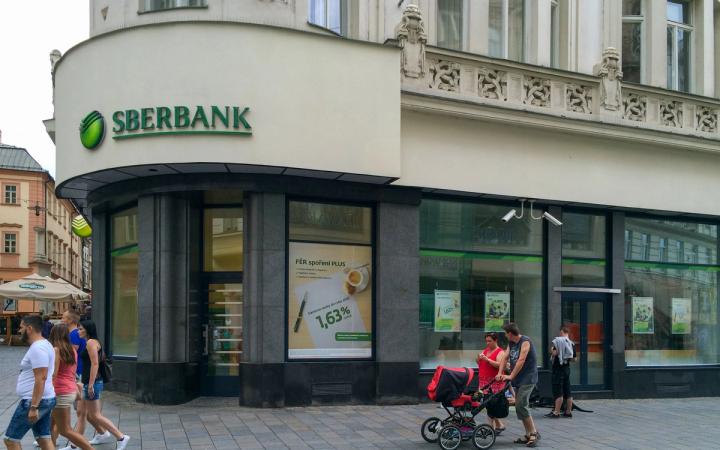
Russia's Largest Bank Gets the Green Light to Trade Crypto
Sberbank, Russia's largest bank, has secured approval to trade crypto, a notable step for a country that has been inching toward formal crypto integration even as it remains under heavy international sanctions. The approval comes alongside other signs of Russian financial institutions warming to digital assets.
Watching a sanctioned major economy build out crypto rails is a reminder that the technology's neutrality cuts both ways — it enables financial access for the underserved and gives sanctioned states a tool to route around restrictions, and both things can be true at once.
Read more at CoinDesk →
South Korea Moves to Block 27 Crypto Websites, Including Major Exchanges
South Korean authorities are moving to block access to 27 crypto websites, including well-known overseas exchanges, framing the action as targeting unregistered platforms operating without local approval. Officials have acknowledged the restrictions will affect existing customers of those platforms.
This is the regulatory equivalent of closing a border crossing rather than negotiating a treaty — it may curb unregistered access in the short term, but history suggests determined users usually find a workaround, VPN or otherwise.
Read more at Cointelegraph →